





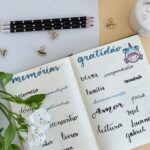





Choosing the right notebook can make a big difference in how often you use it and how productive you feel. Whether you want a journal, a planner, or a notebook for work or school, selecting one that matches your preferences and lifestyle is key. If you’ve ever bought a notebook and then barely used it, this guide will help you pick one you’ll actually enjoy writing in.
Why Choosing the Right Notebook Matters
A notebook is more than just paper bound together—it’s a tool to capture ideas, organize your thoughts, track goals, or simply doodle. When the notebook suits your needs and preferences, you’re more likely to keep it close and use it regularly. On the other hand, a mismatch can lead to procrastination, or the notebook becoming just another unused item.
Step 1: Identify Your Purpose
Before buying a notebook, think about how you plan to use it. Common uses include:
– Daily journaling
– Work or school notes
– Creative writing or sketching
– Planning and organizing tasks
– Travel or event journaling
Knowing your main purpose guides your choice in size, paper type, and format.
Step 2: Choose the Right Size
Notebooks come in many sizes. Consider where and how you’ll use it most:
– Pocket-sized (A6 or smaller): Easy to carry, perfect for quick notes or lists on the go.
– Medium (A5): Balances portability and writing space; great for journaling or note-taking.
– Large (A4 or letter size): Offers plenty of space for detailed notes, sketches, or planning; ideal for desks.
If you plan to carry your notebook around often, a smaller size may be best. If it mostly stays on your desk, a larger one could work better.
Step 3: Pick Your Preferred Binding
Binding affects the notebook’s durability and how it lays flat while writing:
– Spiral-bound: Easy to flip pages and lay flat; good for note-taking.
– Perfect binding (like paperback books): Sleek and usually more durable, but may not lay flat easily.
– Hardcover: Provides strength and protection; great for journals you want to keep long-term.
– Stitched binding: Traditional and durable; often found in high-quality notebooks.
Think about how you use your notebook and whether you prefer a flexible or sturdy option.
Step 4: Choose the Paper Type
The feel and look of the paper matter a lot:
– Weight: Measured in GSM (grams per square meter), heavier paper (80-100+ GSM) is thicker and less likely to bleed through.
– Texture: Smooth paper is great for pens, while slightly textured paper can be better for pencils or markers.
– Color: White paper is common; cream or off-white is easier on the eyes for long writing sessions.
If you use fountain pens or markers, check reviews to see which notebooks handle ink well.
Step 5: Select the Page Layout
Page design can help or hinder your writing style:
– Ruled (lined): Best for writing notes or journaling.
– Blank: Ideal for sketching, drawing, or free-form notes.
– Dotted: Great balance for writing, drawing, and bullet journaling.
– Grid: Helpful for technical notes, charts, or math-related work.
Choose the layout that fits your most common activities.
Step 6: Consider Additional Features
Some notebooks come with extras that can improve your experience:
– Bookmarks or ribbons: Help you quickly find your current page.
– Elastic band closure: Keeps the notebook closed and protects pages.
– Inner pockets: Great for storing loose papers or receipts.
– Numbered pages or index: Useful for organization and referencing.
– Perforated pages: Easy to tear out sheets without damaging the notebook.
Decide which features will be helpful based on your habits.
Step 7: Think About Style and Design
While functionality is key, the notebook’s look can motivate you to use it:
– Choose a cover design and color you like.
– Pick a notebook that feels good in your hands.
– If you want to personalize, consider notebooks with plain covers or ones that you can decorate.
A notebook that appeals to your aesthetic sense can make writing a more enjoyable experience.
Step 8: Set a Budget
Notebooks vary widely in price, from very affordable to premium luxury options. Set a budget but be willing to invest in quality if you plan to use the notebook often. A good notebook is a small investment in your productivity and creativity.
Bonus Tips for Using Your Notebook
– Establish a habit: Dedicate a few minutes a day to write or plan in your notebook.
– Keep it accessible: Store it where you see it often or carry it with you.
– Don’t worry about perfection: Use your notebook for brainstorming and notes, not just polished writing.
– Experiment: Try different types until you find the perfect match.
Conclusion
Finding a notebook you’ll actually use means matching it to your personal needs, preferences, and lifestyle. Consider size, binding, paper type, layout, and additional features before purchasing. Remember, there’s no one-size-fits-all solution. With the right notebook, you’ll be inspired to jot down ideas, plan effectively, and express your creativity more often. Happy writing!