







Birdwatching is a relaxing and rewarding hobby that anyone can enjoy, especially right in their own backyard. Whether you live in a city or a rural area, attracting and observing birds can bring a new sense of connection to nature and provide peaceful moments throughout the day. If you’re just starting out, this guide will help you get set up and make the most of your backyard birdwatching experience.
Why Start Backyard Birdwatching?
Birdwatching offers many benefits:
– It’s a fun way to learn about local wildlife.
– It encourages spending time outdoors.
– It helps reduce stress and increase mindfulness.
– It can be enjoyed alone or with family and friends.
Getting started doesn’t require special skills or equipment. With a few simple steps, you can create a bird-friendly space that welcomes a variety of species.
Choosing Your Birdwatching Spot
The first step is to select a good spot in your yard or balcony where you can watch birds comfortably. Here are some tips:
– Pick a quiet area with some natural cover like bushes or trees nearby.
– Position yourself where you can see birds visiting feeders, birdbaths, or natural plants.
– Avoid high-traffic areas to prevent scaring the birds away.
– If possible, set up a comfortable chair or bench to sit and watch.
Attracting Birds to Your Yard
To enjoy birdwatching, you’ll want to create a welcoming environment for local birds.
Provide Food
Different birds prefer different foods. Here are some common options:
– Seeds: Black oil sunflower seeds attract many small songbirds.
– Fruit: Orioles and some other species enjoy fresh fruit like orange halves.
– Nectar: Hummingbird feeders with sugar water can bring in these tiny birds.
– Suet: Woodpeckers and insect-eaters like suet cakes, especially in cooler months.
Make sure to keep feeders clean and fresh to prevent mold and disease.
Offer Water
Birds need fresh water for drinking and bathing. Birdbaths work well if kept clean:
– Change water regularly, especially in hot weather.
– Consider placing a shallow dish or fountain with gently moving water.
– Position baths near some cover so birds feel safe.
Create Shelter and Nesting Spots
Birds need places to hide from predators and harsh weather:
– Plant native shrubs and trees to provide natural shelter.
– Consider putting up birdhouses suitable for the species in your area.
– Leave leaf litter or brush piles if space allows.
Essential Birdwatching Tools for Beginners
You don’t need fancy gear, but a few items can make the experience better:
– Binoculars: A small, lightweight pair helps you see details without disturbing birds.
– Field guide or app: Helps identify birds by appearance and calls.
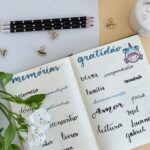
– Notebook or journal: Keeping notes and sketches can enhance your learning.
Learning to Identify Birds
Bird identification can be part of the fun. Focus on basic features:
– Size and shape
– Color patterns and markings
– Behavior (feeding style, flight patterns)
– Calls and songs
Start by watching common birds in your area and gradually expand your knowledge.
Tips for Successful Birdwatching
– Be patient and quiet: Birds may take time to approach.
– Observe at different times: Early morning and late afternoon are often active bird times.
– Keep feeders stocked and clean regularly.
– Avoid sudden movements and noises.
– Respect wildlife: Do not attempt to touch or feed birds by hand.
Keep a Birdwatching Log
Recording your sightings can be very rewarding:
– Note dates, species, and behaviors.
– Include weather conditions.
– Take photos if possible.
Over time, you will notice patterns and develop a deeper appreciation for bird life.
Conclusion
Backyard birdwatching is a simple way to connect with nature every day. With a few beginner tips on attracting birds and observing them patiently, you’ll soon enjoy the peaceful and fascinating world of birds right outside your door. Remember, the key is to be patient and consistent. Happy birdwatching!