










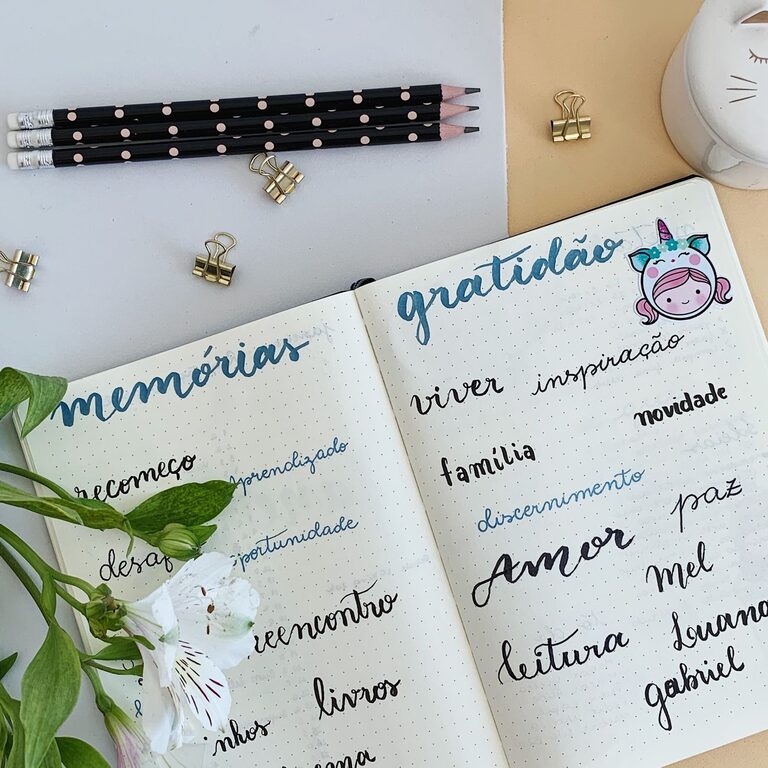
Keeping a gratitude journal is a simple yet powerful way to cultivate positivity and enhance your overall happiness. By regularly writing down things you’re thankful for, you train your mind to notice the good in everyday life. This practice can improve your mood, reduce stress, and even strengthen relationships.
If you’re new to gratitude journaling or unsure how to begin, this guide will walk you through easy steps to start your own gratitude journal and make it a meaningful part of your routine.
What Is a Gratitude Journal?
A gratitude journal is a personal notebook or digital document where you record things you’re thankful for. These could be big or small—anything from a kind gesture by a friend to a beautiful sunset. The goal is to focus your attention on positive experiences and feelings.
Benefits of Keeping a Gratitude Journal
– Improves Mental Health: Regularly noting what you appreciate can reduce feelings of anxiety and depression.
– Boosts Positivity: Shifts your perspective to notice good things, even on tough days.
– Enhances Sleep: Reflecting on positive moments before bed may help you sleep better.
– Strengthens Relationships: Recognizing others’ kindness encourages stronger connections.
Getting Started: Choosing Your Journal
Pick Your Medium
Decide whether you prefer a physical notebook or a digital option. Both work well, so choose what feels most comfortable:
– Physical notebook: Many enjoy the tactile experience of writing by hand. Choose a notebook that inspires you.
– Digital journal: Apps or simple documents on your phone or computer are convenient and portable.
Set Aside Time
Consistency is key. Try to dedicate a few minutes each day—morning or evening—to write in your journal. Even 5 minutes can make a difference.
How to Write in Your Gratitude Journal
Use Simple Prompts
If you’re unsure what to write, prompts can help get you started:
– What made you smile today?
– Who are you grateful for?
– What’s something good that happened this week?
– Name a small pleasure you experienced recently.
Keep It Specific
Instead of vague statements like “I’m grateful for my family,” try to be more detailed: “I’m grateful for the lunch my sister made me today.” Specificity helps you relive positive moments more vividly.
Include Different Areas of Life
Think about various aspects such as:
– Relationships
– Personal achievements
– Nature
– Daily comforts (a warm cup of tea, a cozy sweater)
– Challenges that taught you something
Write Freely and Honestly
Your journal is your personal space. Don’t worry about grammar or length. Write what feels right.
Tips to Maintain Your Gratitude Journal Habit
– Set a Reminder: Use your phone or calendar to remind yourself to journal.
– Make It Enjoyable: Add colors, drawings, or stickers if you like.
– Combine with Other Practices: Pair journaling with meditation or deep breathing.
– Be Patient: Building a new habit takes time, so be gentle with yourself.
Overcoming Common Challenges
"I Don’t Know What to Write"
Try using different prompts or think of ordinary things you might normally overlook. Sometimes it helps to reflect on moments after your day has ended.
"I Forget to Journal"
Try journaling at the same time daily, perhaps right before bed or with your morning coffee, to build a routine.
Final Thoughts
Starting a gratitude journal is a simple step toward greater happiness and mindfulness. With a little time and consistency, you can develop this rewarding habit that helps you appreciate life’s everyday blessings. So grab a notebook or open your favorite app, and start jotting down what you’re grateful for today. Your mind and heart will thank you!