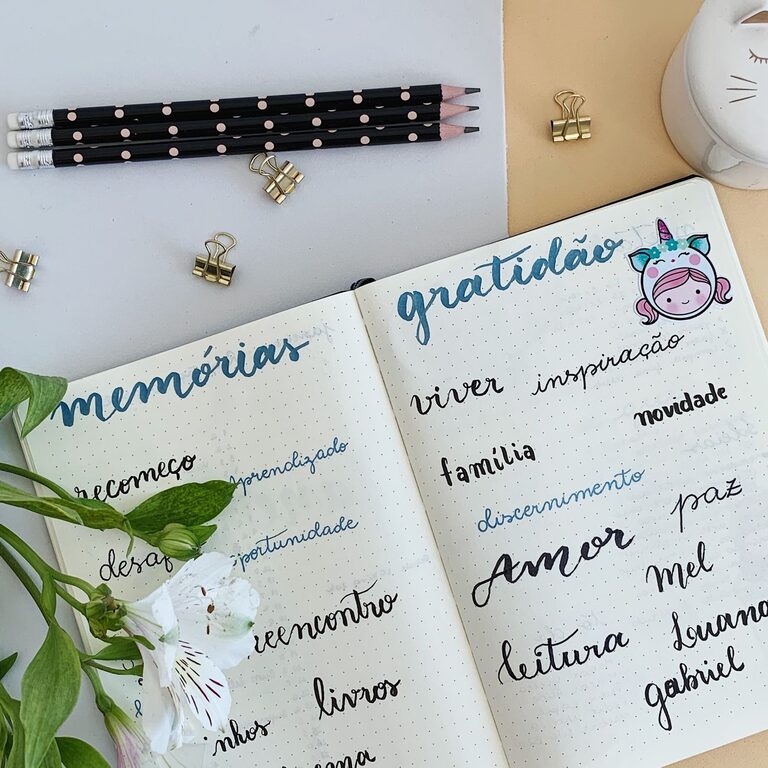











Journaling is a wonderful practice that can help you reflect, organize your thoughts, and improve your well-being. Whether you want to reduce stress, track your goals, or simply explore your creativity, writing every day can be a positive habit to adopt. If you’re new to journaling or have struggled to keep it consistent, this beginner guide will walk you through easy ways to start and sustain daily journaling.
Why Journal Every Day?
Journaling daily offers many benefits:
– Improves mental clarity: Writing helps clear your mind and process emotions.
– Boosts creativity: Regular writing encourages new ideas and insights.
– Increases self-awareness: Reflecting on your experiences deepens understanding of yourself.
– Tracks progress: Documenting goals and habits helps you see growth over time.
– Reduces stress: Expressing feelings on paper can be calming and therapeutic.
Starting with small, manageable steps makes the habit easier to maintain over the long term.
Choosing Your Journaling Tools
Before you begin, think about what tools feel most comfortable:
– Notebook or journal: Pick a size and style you enjoy. Some like lined pages; others prefer blank or dotted.
– Digital apps: If you prefer typing, consider apps like Day One, Journey, or even a simple note-taking app on your phone or computer.
– Pens and markers: Some find using colorful pens makes journaling more fun and engaging.
Your journaling environment matters, too. Find a quiet, comfortable spot where you can focus without distractions.
Setting Realistic Daily Goals
Consistency is key, but it doesn’t mean you must write a lot every day. Here’s how to set achievable goals:
– Start small: Commit to writing for just 5 minutes or one paragraph each day.
– Use prompts: If you’re unsure what to write, prompts can kick-start your thoughts.
– Establish a routine: Choose a time that works best, like morning or before bed.
– Be flexible: It’s okay to miss a day here and there; just get back to journaling without guilt.
Simple Journaling Techniques for Beginners
Try these methods to get comfortable with daily writing:
Free Writing
Write continuously for a set time without worrying about grammar or structure. Let your thoughts flow naturally.
Gratitude Journaling
List 3-5 things you’re grateful for each day. This encourages a positive mindset.
Daily Highlights
Summarize the most important part of your day or a memorable moment.
Question and Answer
Pick a question to answer each day, such as “What made me happy today?” or “What challenge did I face?”
Bullet Journaling
Use quick bullet points to track tasks, moods, or goals.
Tips to Keep Your Journaling Habit Going
– Make it enjoyable: Customize your journal with stickers, doodles, or photos.
– Keep it private: Knowing your journal is for your eyes only can help you write honestly.
– Review your entries: Occasionally read past entries to see your progress and patterns.
– Share if you want: Some find sharing parts of their journaling with trusted friends motivating.
– Don’t overthink: There’s no perfect way to journal; focus on expressing yourself.
Overcoming Common Challenges
– Writer’s block: Use prompts or simply write about how you feel about journaling.
– Lack of time: Write just one sentence or bullet point if pressed for time.
– Skipping days: Remember that missing some days is normal, and every day is a new chance to start fresh.
– Feeling judgmental: Remind yourself your journal is a judgment-free zone.
Final Thoughts
Journaling every day doesn’t have to be a daunting task. By starting small, choosing tools that suit your style, and practicing self-compassion, you’ll build a meaningful habit that enriches your life. Give it a try today — you might be surprised at how much writing a little each day can boost your happiness and clarity.
Happy journaling!